
Aerodynamics in Amphibious Aircraft: Why Shape Matters
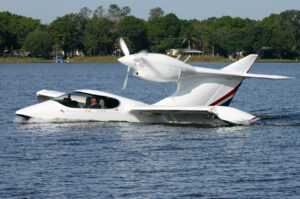
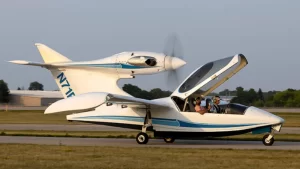
Amphibious aircraft design is a constant compromise between air and water performance. Shape directly influences drag force, lift force, water take-off behavior, and landing safety.
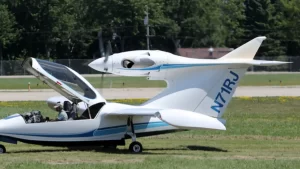
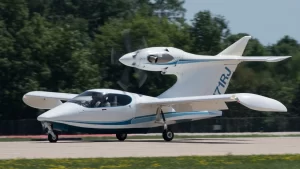
Amphibious aircraft design is a constant compromise between air and water performance. Shape directly influences drag force, lift force, water take-off behavior, and landing safety.


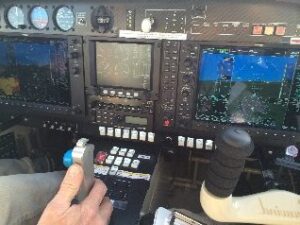
Amphibious aircraft must perform efficiently on both water and land, making engine choice critical. The SuperSeawind N71RJ, with its PT6 turbine 550 HP, demonstrates how


The SuperSeawind N71RJ represents a pinnacle in single-engine amphibious airplane design, combining speed, versatility, and advanced avionics to redefine what pilots can expect from amphibious


Flying an amphibious aircraft is thrilling, but safety remains paramount. The SuperSeawind N71RJ blends versatility with advanced avionics, ensuring pilots can operate confidently on land,


The Super Seawind is an advanced amphibious aircraft built with safety at its core through thoughtful aircraft design, robust composite materials, redundant systems, and pilot-focused


The Super Seawind demonstrates advanced amphibious capabilities with turbine reliability, redundant systems, and a water rudder-controlled hull. Its design addresses emergency scenarios such as engine