
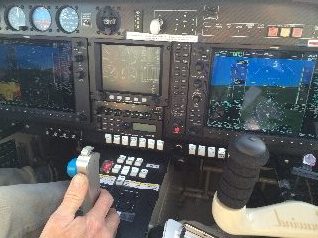
Flying an amphibious aircraft is thrilling, but safety remains paramount. The SuperSeawind N71RJ blends versatility with advanced avionics, ensuring pilots can operate confidently on land, water, or ice. In this article, we explore how its cutting-edge glass cockpit and integrated systems make flying safer and more intuitive.
The N71RJ exemplifies modern amphibious aircraft design. Pilots can enjoy the freedom of exploring remote locations while relying on state-of-the-art avionics to reduce risk. Whether landing at your local pool or a South Pacific island, situational awareness and precision guidance are always at your fingertips.
The Paradigm Shift: From Steam Gauges to Integrated Avionics
Traditional cockpits relied on analog instruments, forcing pilots to scan multiple gauges and interpret readings quickly. This approach increased workload and left little room for error during challenging amphibious operations.
Glass cockpit technology revolutionized aviation by integrating critical information into a single display. Modern systems like the Garmin G1000 or G900X provide intuitive navigation, engine data, and autopilot integration, improving situational awareness and reducing pilot fatigue.
By consolidating flight information, glass cockpits enhance safety during complex maneuvers, including water takeoffs, landings, and transitions between different surfaces. Pilots can make faster, data-driven decisions, even in dynamic conditions.
SuperSeawind N71RJ: The Perfect Platform for Advanced Avionics
The SuperSeawind N71RJ is uniquely suited for advanced avionics integration. As a single-engine amphibious airplane, it offers unmatched versatility for recreational and professional pilots. Its PT6-20 engine delivers reliable power and responsiveness, critical for both short water strips and remote landings.
Safety is further enhanced by the N71RJ’s sophisticated avionics suite, including integrated navigation, engine monitoring, and communication systems. The aircraft’s design prioritizes pilot visibility, accessibility, and intuitive control layout.
Combined with FAA-certified components, these features make the N71RJ a benchmark in amphibious aviation safety. Its glass cockpit ensures that pilots have precise control and situational awareness in all phases of flight.
The Heart of N71RJ’s Safety: The Integrated Flight Deck
The SuperSeawind N71RJ features an advanced integrated flight deck, functioning similarly to a modern glass cockpit. This system combines flight instruments, navigation, communication, and engine monitoring into a single, intuitive interface.
Pilots gain access to precise GPS-based navigation, flight planning, and guidance, ensuring safer operations on land, water, or ice. Real-time weather and traffic information enhance situational awareness and support quick, informed decision-making in dynamic conditions.
By simplifying flight management and reducing pilot workload, the integrated flight deck allows pilots to focus on flying safely. Engine monitoring ensures optimal performance and early detection of potential issues, reinforcing N71RJ’s reputation as a dependable amphibious aircraft.
Beyond the G1000: Specialized Systems for Enhanced Safety
In addition to the glass cockpit, the SuperSeawind N71RJ features the TruTrak autopilot, which provides stability and precise control during long flights or challenging weather. HITS (Highway In The Sky) guidance visually maps the flight path, improving accuracy during approach and landing.
Additional integrated safety systems, such as automated alerts and redundant communication tools, enhance reliability. Pilots can confidently navigate remote regions, like the South Pacific islands, with the assurance that they have advanced support systems.
Avionics for Amphibious Operations: Unique Safety Advantages for N71RJ
Flying an amphibious aircraft introduces unique challenges. Transitioning from water to land or snow requires constant situational awareness. The N71RJ’s avionics ensure smooth operation across diverse environments.
Advanced navigation and engine monitoring mitigate risks associated with dynamic weather and surface conditions. Pilots can confidently manage transitions, adjust power settings, and execute landings with precision.
By combining data-driven guidance with pilot expertise, the N71RJ significantly reduces the likelihood of accidents during amphibious operations.
The Pilot’s Perspective: Flying N71RJ with Unprecedented Confidence
Glass cockpit technology reduces cognitive load, allowing pilots to focus on the art of flying rather than scanning multiple instruments. Decision-making is empowered with real-time, integrated data for navigation, weather, and engine performance.
In emergencies, pilots receive enhanced situational awareness, enabling rapid responses. Proper training and proficiency in using the N71RJ’s systems further maximize safety benefits.
For many, flying the SuperSeawind N71RJ is not just about reaching destinations but experiencing confidence and enjoyment in a versatile, high-performance aircraft.
The Legacy of the Seawind Kit: Building for Modern Safety
The journey from Seawind kits to certified aircraft illustrates a commitment to innovation and safety. Builders selecting the avionics suite can integrate modern systems during assembly, ensuring optimal performance and reliability.
Using FAA-certified components adds credibility and trustworthiness, making the aircraft safer for pilots and passengers. The SuperSeawind N71RJ represents the culmination of careful design, advanced engineering, and a focus on amphibious versatility.
Conclusion: N71RJ – Setting a New Standard for Safer Amphibious Flight
The SuperSeawind N71RJ demonstrates how technology and pilot skill converge to enhance aviation safety. Its glass cockpit, integrated avionics suite, and robust PT6-20 engine provide unmatched situational awareness and operational confidence.
As a single-engine amphibious airplane, it bridges land, water, and ice with precision and reliability. The N71RJ not only sets a new benchmark for amphibious aircraft but also inspires future innovation in the field.
For readers interested in learning more, The Legacy of N71RJ offers a detailed account of this aircraft’s design, capabilities, and operational insights, making it an essential resource for aviation enthusiasts and pilots alike.