
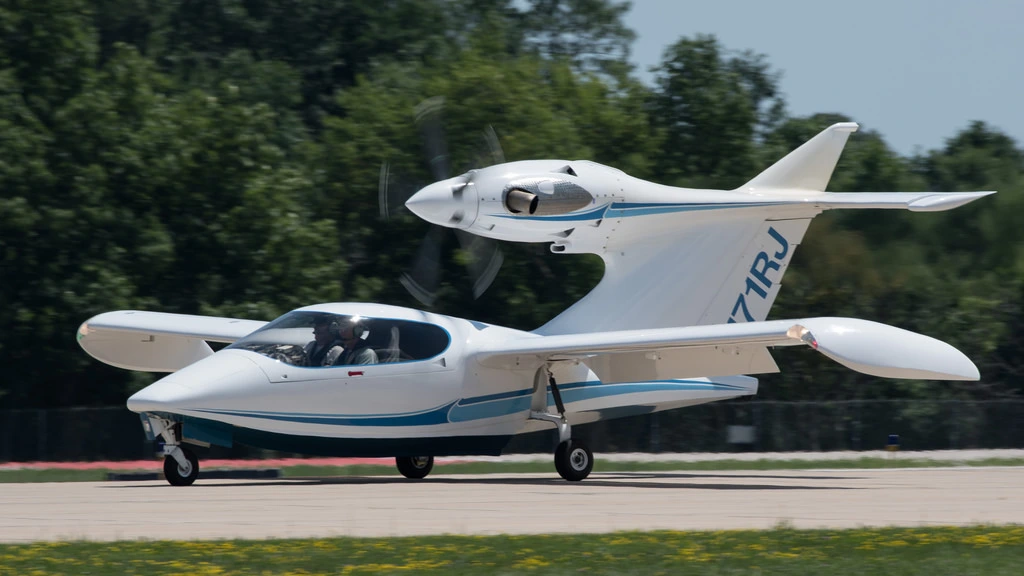
The Super Seawind demonstrates advanced amphibious capabilities with turbine reliability, redundant systems, and a water rudder-controlled hull. Its design addresses emergency scenarios such as engine failure over water, landing gear misconfiguration, and structural stress during ditching. For pilots in general aviation, mastering emergency protocols, pre-flight checks, and situational awareness is critical to safe overwater operations.
Introduction: The Unique Imperative of Amphibious Flight Safety
Amphibious flying combines the thrill of traditional aviation with the versatility of taking off and landing on both land and water. This dual environment introduces unique risks that require pilots to maintain vigilance, rigorous pre-flight planning, and specialized training. Understanding emergency preparedness on amphibious aircraft like the Super Seawind ensures pilots are equipped to handle unexpected situations safely and efficiently.
Understanding the Super Seawind: Design Considerations for Emergency Scenarios
The Super Seawind incorporates a Natural Laminar Flow hull and composite airframe components, balancing buoyancy with structural strength. Its retractable landing gear allows smooth transitions between land and water, while the turbine-powered P&W PT6A-20 engine ensures reliable performance. Redundant electric power systems, 3-cell batteries, and heat sinks protect critical avionics and flight controllers, such as the Garmin G900X, ensuring functionality even during emergencies. The cargo bay and onboard storage keep emergency equipment accessible without compromising weight distribution, while the water rudder-controlled hull improves maneuverability during water operations.
Identifying Unique Risks in Amphibious Operations
Amphibious flights face distinct challenges. Engine failure over water (“dead stick” scenarios) requires pilots to glide and plan a controlled water landing. Hull damage from debris or water ingestion can affect buoyancy, while landing gear misconfiguration may lead to catastrophic incidents if not detected early. Environmental factors such as sudden storms, coastal winds, or shallow water hazards further complicate operations, and pilots must also account for corrosion and icing in marine environments. Continuous awareness and proactive mitigation strategies are essential for safe amphibious flying.
Pre-Flight Preparedness
Preparation is key to emergency readiness. Pilots must conduct specialized pre-flight checks focusing on water operations, ensure all emergency equipment is on board, and confirm fuel reserves for overwater segments. Planning alternate landing areas for both land and water and filing flight plans with authorities enhances situational control. Effective communication protocols and knowledge of local waterway conditions, such as lakes or coastal areas, contribute to safer amphibious operations.
In-Flight Emergency Procedures
During flight, emergencies demand quick assessment and action. Engine failures require gliding to a safe landing zone while monitoring electrical and navigation systems. Malfunctions in avionics or loss of communication over water must be prioritized for critical functions. Structural integrity issues and potential hull breaches should be evaluated immediately, and landing gear misconfigurations addressed before water contact to prevent damage or instability.
Executing a Controlled Water Landing
Selecting a suitable water landing zone involves evaluating surface conditions, waves, and obstacles. Pilots must approach with proper descent angles, maintain control through the water rudder, and ensure a stable touchdown. Post-impact actions include securing the aircraft, using onboard safety equipment, and addressing any water ingress to prevent capsizing. Training in controlled ditching techniques enhances pilot confidence and minimizes risks.
Post-Ditching Survival and Rescue
Survival after water landings requires immediate action. Life vests, rafts, and injury assessment are critical, along with signaling for help using flares or electronic devices. Exposure to cold water and hypothermia can be mitigated through preparation, while mental fortitude and resourcefulness support waiting for rescue. Familiarity with rescue procedures and understanding local waterways further improve outcomes.
Training, Mindset, and Continuous Learning
Specialized amphibious flight training, including simulations and scenario-based exercises, equips pilots with the skills to handle emergencies. Developing a resilient mindset and learning from past incidents fosters continuous improvement. Engaging with the pilot community and leveraging collective experience enhances knowledge and reinforces best practices in amphibious aviation.
Conclusion
Emergency preparedness on amphibious flights requires a combination of thoughtful design, rigorous training, and situational awareness. The Super Seawind demonstrates how advanced engineering, redundancy, and pilot readiness can make overwater operations safer and more manageable. By staying vigilant, practicing procedures, and planning for contingencies, pilots can enjoy the freedom of water flying while minimizing risks. For those interested in a deeper understanding of the aircraft’s development, The Legacy of N71RJ chronicles its evolution and provides detailed insights that complement these safety lessons.