
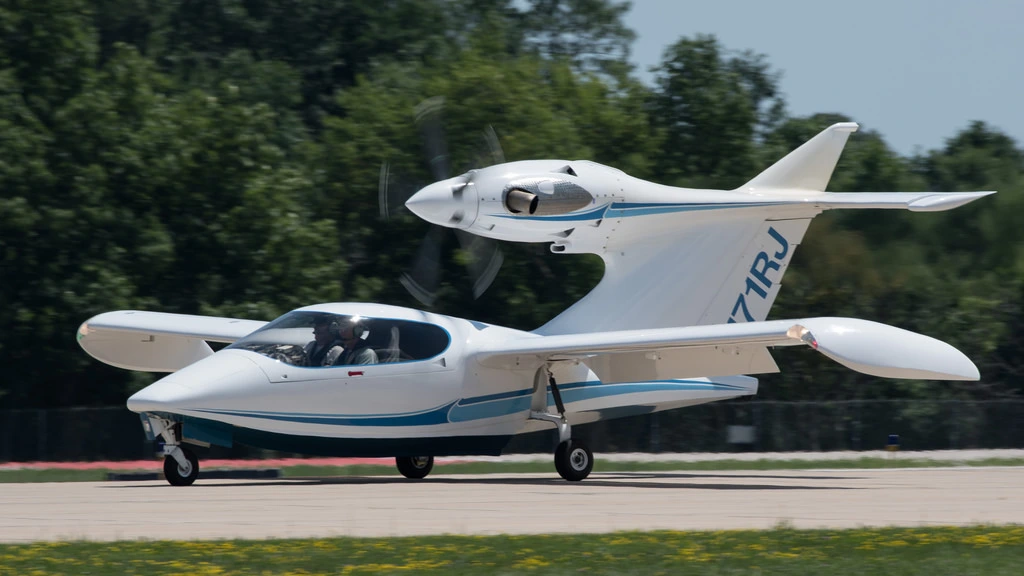
The SuperSeawind N71RJ represents a pinnacle in single-engine amphibious airplane design, combining speed, versatility, and advanced avionics to redefine what pilots can expect from amphibious flight. Whether you’re an aviation enthusiast planning adventurous vacation trips or a professional pilot seeking technical insight, the N71RJ delivers performance that inspires confidence in both water and land operations. Understanding its capabilities offers a window into why Super Seawind remains a leading name in amphibious aircraft.
The Super Seawind Legacy: A Brief Overview of the Single-Engine Amphibious Aircraft
The Super Seawind lineage began with a vision to merge efficient land flight with seamless water operations. Produced through kit maker Seawind North America, early models used piston engines and composite hulls to provide pilots with flexibility beyond traditional floatplanes. Over time, the design evolved to incorporate turbine power, modern avionics, and aerodynamic refinements, with the N71RJ exemplifying the height of this progression. This aircraft demonstrates how thoughtful engineering transforms a versatile amphibious platform into a high-performance, reliable machine capable of meeting the demands of both recreational and mission-oriented flights.
Why N71RJ? Highlighting a Specific Example of Peak Performance
The N71RJ stands apart from earlier Seawind variants through its combination of turbine power, speed, and handling precision. While earlier models typically employed Lycoming 300 HP gas engines, the N71RJ’s PT6 turbine 550 HP engine delivers a dramatic improvement in climb, cruise speed, and operational flexibility. Its design ensures performance not only in open-air operations but also in confined lakes, coastal zones, and remote airfields, allowing pilots to push the boundaries of amphibious aviation safely and efficiently.
What to Expect: A Deep Dive into Speed, Power, and Handling
Throughout this article, you will explore the N71RJ’s powerplant options, core performance metrics, aerodynamic refinements, avionics, and pilot perspectives. Real-world insights reveal how this Super Seawind manages speed, safety, and operational versatility. By the end, you’ll see why pilots and aviation enthusiasts alike celebrate the N71RJ as one of the most capable single-engine amphibious airplanes available today.
Powering the Flight: The Engine Behind N71RJ’s Performance
From Lycoming 300 HP Gas Engines to Turbine: Understanding Engine Options for the Super Seawind
Early Super Seawind models often relied on Lycoming 300 HP gas engines, which offered reliability and familiar handling for both land and water operations. However, the transition to turbine power marked a significant performance evolution. Turbine engines enhance climb rates, reduce time to cruise altitude, and provide more efficient fuel burn, enabling pilots to enjoy longer expeditions with greater speed and confidence.
The PT6A-20 Turbine: N71RJ’s Chosen Powerplant and Its Impact
The N71RJ is equipped with a PT6 turbine 550 HP engine, providing a remarkable increase in thrust while maintaining manageable weight. This powerplant allows the aircraft to achieve higher cruise speeds, rapid climbs, and efficient water takeoffs. Pilots gain exceptional performance while maintaining safety and reliability in demanding environments.
How 550 HP Translates: Explaining the Performance Advantage of the PT6 Turbine Engine
With 550 horsepower, the N71RJ overcomes hull drag associated with amphibious aircraft, enabling fast takeoffs, steep climb angles, and efficient long-distance cruise. This level of power ensures that pilots can handle both open-water and confined-area operations with precision and confidence, reinforcing the N71RJ’s reputation as a high-performance Super Seawind.
Core Performance Metrics: Unpacking N71RJ’s Speed and Capabilities
Cruising Speed: Optimal Efficiency and Range at Altitude
The turbine-powered N71RJ cruises around 190 knots, allowing pilots to cover long distances quickly. Its speed rivals many land-only light aircraft, making the N71RJ practical for vacation destinations, business trips, or exploratory flights.
Maximum Speed: Pushing the Envelope of the Super Seawind Design
True airspeeds exceeding 182 knots demonstrate how aerodynamic efficiency, coupled with turbine power, enables the N71RJ to outperform piston-powered predecessors. This allows pilots to complete missions faster and enjoy the exhilaration of high-speed amphibious flight.
Rate of Climb: Rapid Ascent and Obstacle Clearance
The aircraft’s climb performance is exceptional, allowing rapid altitude gain to clear obstacles, transition between terrain types, or quickly reach optimal cruise levels. Turbine efficiency and hull aerodynamics combine to deliver confident performance.
Range and Endurance: How Speed Influences Operational Reach
High cruise efficiency extends operational reach, reducing the need for multiple fuel stops. Whether for vacation travel or remote business operations, the N71RJ offers strategic flexibility and time savings.
Stall Speeds and Low-Speed Handling: Safety and Precision for Amphibious Operations
Amphibious operations demand low-speed control for water takeoffs and landings. The N71RJ maintains predictable stall characteristics, providing pilots with confidence during delicate maneuvers in tight environments.
Real-World Performance: Factors Affecting Speed (Weight, Altitude, Temperature)
Weight, altitude, and temperature influence real-world performance. Lighter loads and higher altitudes increase cruise efficiency, while hot or heavy conditions may slightly reduce climb and cruise speeds, requiring careful flight planning.
Aerodynamics and Design: Engineered for Efficiency and Speed
Unique Airframe Design: How the Super Seawind’s Shape Contributes to Performance
The N71RJ’s composite hull and sleek surfaces reduce drag, enabling higher speeds and efficient transitions between water and land. This thoughtful design ensures stability and handling in diverse flight environments.
Retractable Landing Gear: Minimizing Drag for Maximum Speed
Retractable landing gear reduces drag, preserving aerodynamic efficiency during cruise. This feature allows the N71RJ to perform seamlessly in both water and airport operations while maintaining speed advantages.
Control Surfaces and Stability: Handling Characteristics at High Airspeeds
Optimized wing and tail control surfaces offer stability and responsiveness at high cruise speeds. Pilots experience precise control, confidence in maneuvers, and smoother handling in challenging conditions.
Avionics and Automation: Enhancing High-Speed Flight Management
The SuperSeawind N71RJ’s avionics and automation enhance high-speed flight management by integrating advanced cockpit systems such as the Grand Rapids HX and G-900X displays, which provide pilots with engine, navigation, and flight information in a single interface, reducing workload and increasing safety. Reliable navigation and communication are supported through the Garmin SL30 Nav/Comm radio, enabling IFR operations and multiple communication channels for operational flexibility. The autopilot maintains headings, altitude, and GPS guidance, stabilizing flight and reducing pilot fatigue on long missions. Additionally, real-time data on weather, terrain, and traffic improves situational awareness, helping pilots make informed decisions during high-speed, land, or water operations.
The Amphibious Advantage: Speed Meets Versatility
The SuperSeawind N71RJ combines smooth water takeoffs and landings with retractable landing gear for seamless runway transitions, giving pilots access to lakes, coastal resorts, and remote waterways. Its hull design ensures efficient mooring or docking, while the spacious cargo bay accommodates equipment, luggage, or mission essentials. For overwater operations, pilots often carry safety gear like PFDs or inflatable rafts to stay prepared for unexpected events.
Pilot’s Perspective: Flying the SuperSeawind N71RJ
Test pilot Jack Ardyno emphasizes the N71RJ’s remarkable responsiveness, turbine thrust, and smooth handling, providing pilots with both power and precision in every phase of flight. Commanding this single-engine amphibious airplane feels controlled and confident, whether climbing, cruising, or landing, delivering a thrilling yet reassuring flying experience. Rapid climbs, efficient water transitions, and high-speed cruise highlight the aircraft’s advanced capabilities, reinforcing its reputation as a high-performance amphibious platform.
Applications and Appeal: Speed, Versatility, and Adventure
The N71RJ’s performance makes it perfect for expedited travel to lakes, coastal resorts, or remote locations, transforming both leisure and mission-oriented flights with speed and operational flexibility. Its combination of versatility, speed, and amphibious freedom appeals to aviation enthusiasts seeking exploration and adventure while also serving practical purposes for pilots connecting hard-to-reach destinations efficiently. With its unique design and capabilities, the N71RJ remains a benchmark in single-engine amphibious aircraft performance and excitement.
Conclusion
The SuperSeawind N71RJ combines PT6 turbine 550 HP power, advanced avionics including Grand Rapids HX and Garmin SL30 Nav/Comm radio, efficient amphibious design, responsive handling, rapid climb, high cruise speeds, spacious cargo bay, and safety gear like inflatable rafts, creating the ultimate single-engine amphibious airplane for pilots and enthusiasts. Endorsed by test pilot Jack Ardyno, it delivers unmatched performance and versatility while enabling faster vacation trips or remote expeditions. Discover the full capabilities of the SuperSeawind N71RJ and gain technical insights in “The Legacy of N71RJ”, a practical guide for builders and aviation enthusiasts exploring the engineering and construction of this remarkable amphibious aircraft.